
This field hockey gear checklist helps new players prepare for their first sessions on a synthetic pitch. Whether you are a parent outfitting a junior player for a new winter sport, an adult joining a social league, or a family trying hockey for the very first time, getting involved is a deeply rewarding experience. But before that first whistle blows, knowing exactly what to pack in your kit bag can feel overwhelming. At Greensborough Hockey Club in Melbourne, we believe getting started should be simple, safe, and stress-free.
If you are giving hockey a trial at Greensborough Hockey Club, getting started is even simpler: you can borrow a hockey stick from the club while you are trialling, so the only item you need to bring is a properly fitted mouthguard. There is no need to buy a full set of equipment before deciding whether hockey is for you. If you choose to continue after the trial period, you can then purchase the full equipment you need online from Just Hockey. Below is our practical, beginner-friendly equipment guide for players who decide to continue.
Field Hockey Gear Checklist After Your Trial
When you are just starting out on the pitch, your primary focus should be on personal safety and learning the fundamental skills of the game. Here is the core field hockey gear checklist every new player requires.
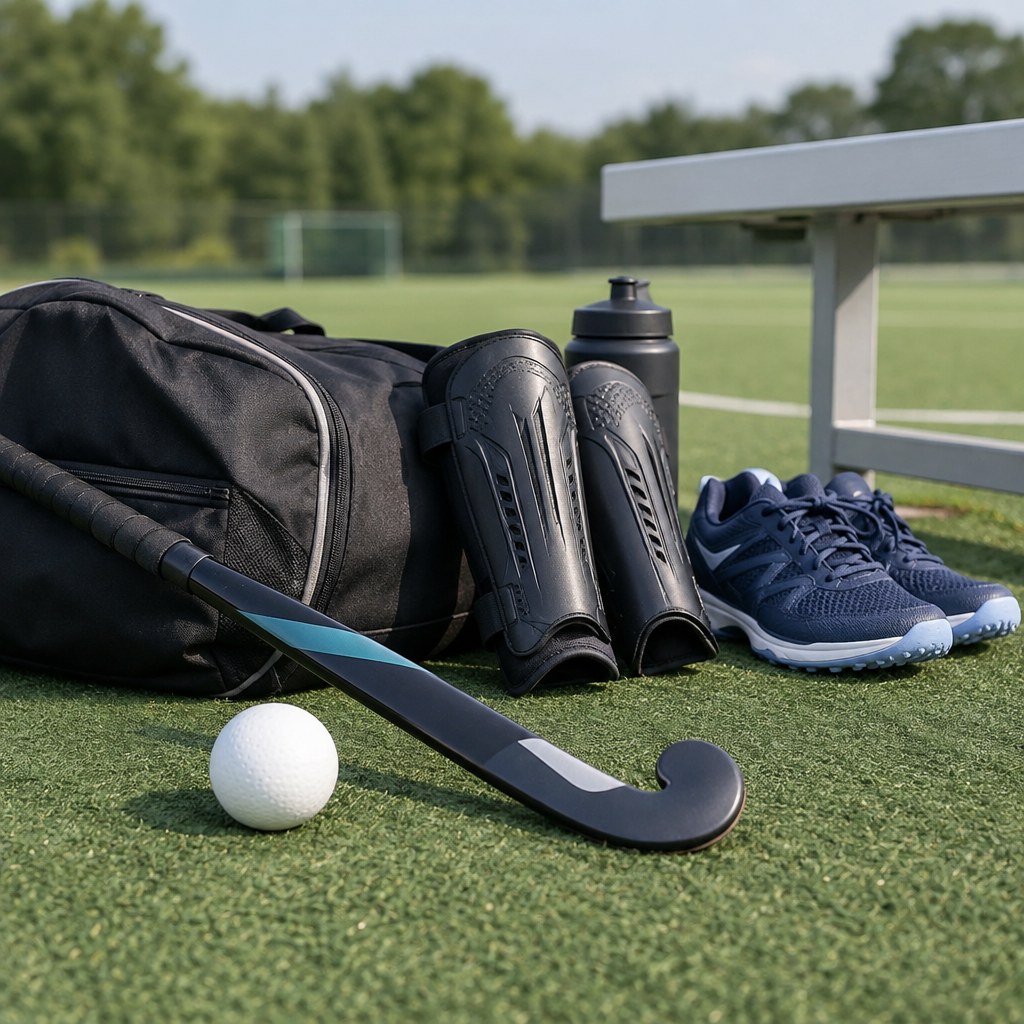
Field Hockey Stick
Getting the right length is crucial for posture and skill development. A basic fibreglass or wooden stick offers far better control for beginners compared to stiff, expensive composite models.
Custom-Fitted Mouthguard
Dental safety is absolutely non-negotiable. A properly fitted mouthguard from a dentist or a high-quality boil-and-bite option is mandatory for all training sessions and weekend matches.
Specialised Shin Guards
Field hockey shin guards are specifically designed with hard plastic outers and foam inners to wrap around the lower leg, offering significantly more ankle protection than standard soccer pads.
To help you choose the right length for a beginner's stick, we recommend measuring from the ground up to the player's hip bone. Alternatively, use this general height-based sizing guide:
What to Wear: Clothing and Footwear
Proper attire ensures you remain comfortable and helps prevent slips and preventable injuries on synthetic playing surfaces.
Turf Shoes for Synthetic Pitches
You do not necessarily need expensive specialist hockey shoes immediately, but standard running shoes often lack the required grip. Turf shoes, or aggressive trail running shoes, feature small rubber dimples that provide crucial traction on sand-based or water-based synthetic pitches. If you do not have turf shoes yet, standard sneakers are perfectly fine for your very first trial session while you decide if the sport is right for you. Crucially, avoid football boots with large metal or plastic studs. These will severely damage the synthetic turf and are strictly prohibited on all official hockey grounds.
Long Hockey Socks and Training Apparel
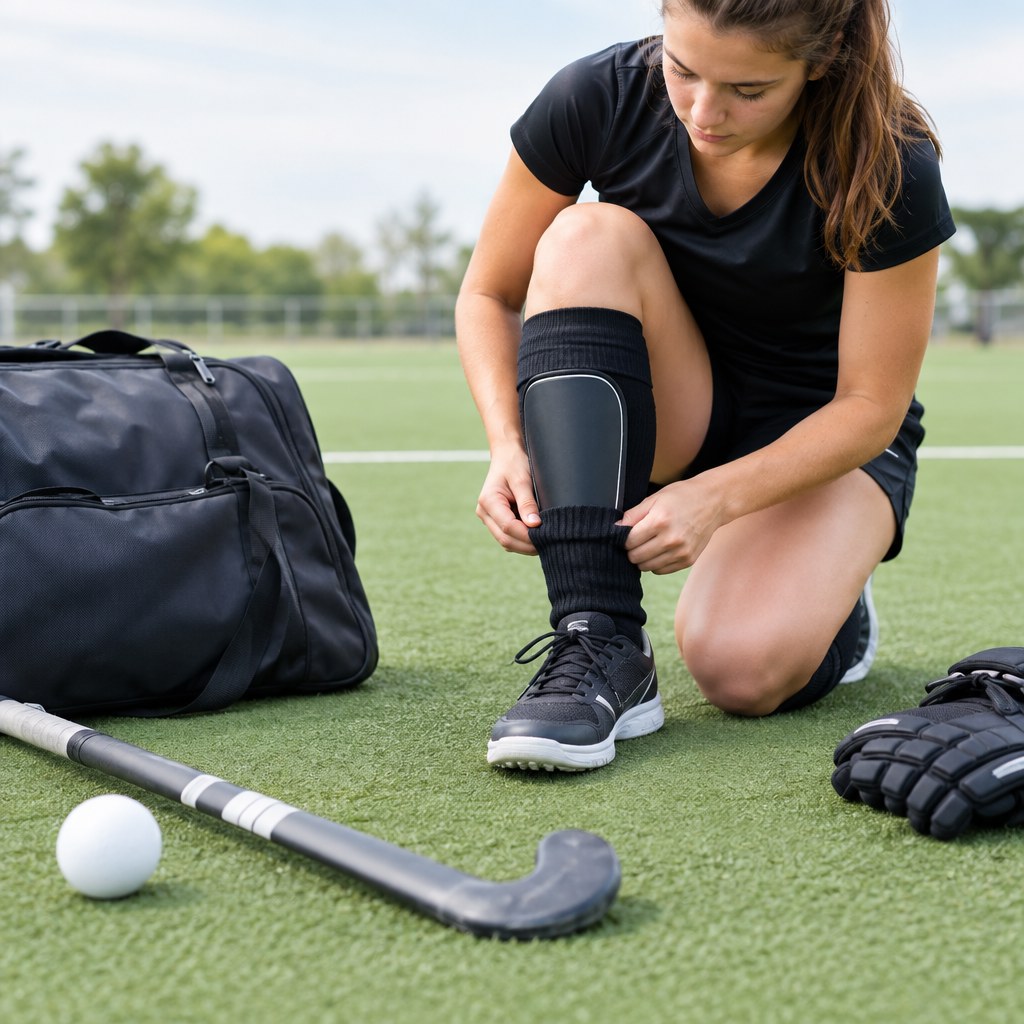
Long, durable socks are essential—not just for the traditional club uniform look, but to hold your shin guards securely in place against your legs. When it comes to general training apparel, wear breathable, athletic clothing that allows you to lunge and bend freely. For chilly winter evening sessions in Melbourne, layering up with a lightweight sports jacket or a long-sleeve thermal top is a very smart choice. Do not forget to apply sunscreen and wear a hat for daytime weekend matches or weekend training sessions.
Handy Extras: Optional Items to Consider
Once you have mastered the basics and know you love the game, you might want to slowly expand your kit. These items are helpful but completely optional for your first few weeks:
- Left-hand protective glove: This padded glove is highly useful for protecting your knuckles when making low tackles close to the synthetic ground.
- Personal practice ball: Having a dimpled hockey ball at home is excellent for practicing basic dribbling skills on the back grass.
- Small kit bag: A dedicated stick bag keeps your gear organised and often features a handy compartment for wet or muddy items.
- Quality water bottle: Field hockey is a fast-paced, high-intensity interval sport. A large, reusable water bottle is essential for staying hydrated during drills.
What You Do Not Need on Day One
It is incredibly easy to get carried away at the local sporting goods store, but a little patience will save you unnecessary spending. Here is what beginners should definitely leave on the shelf:
- Expensive high-carbon sticks: These sticks are incredibly stiff and designed exclusively for elite players who require maximum hitting power. Beginners need a more flexible, forgiving stick to properly develop essential trapping and passing skills.
- Goalkeeping gear: If you are genuinely interested in playing in goals, please speak to the club first! Greensborough Hockey Club provides dedicated, fully equipped goalkeeping kits for our junior and beginner teams.
- Ice hockey equipment: Field hockey and ice hockey are entirely different sports. Padded ice hockey gloves, heavily armoured shoulder pads, or pucks are strictly prohibited and completely unnecessary.
- Specialist match uniform: Always check with your team manager regarding the official club colours and uniform policies before purchasing any match day attire.
Ready to Get Your Own Hockey Gear?
Once you have completed your trial at Greensborough Hockey Club and decided to continue playing, our equipment sponsor Just Hockey is the place to get set up.
Just Hockey has been a hockey specialist since 1986 and offers dedicated ranges of sticks, shoes, protective equipment, bags, accessories and junior sets. Their online range also includes stick sizing guidance to help new players choose equipment that suits their height and stage of development.
Trial first with a borrowed GHC stick and your own mouthguard. Buy the full kit only when you are ready to continue.
Beginner field hockey equipment
This field hockey gear checklist is designed to help beginner players and families understand the essential equipment for training and matches. Start with correctly fitted safety items and comfortable basics, then ask a coach or specialist retailer about choices that suit the player’s age, size and experience.
For a local pathway into hockey, visit Start Playing Hockey at GHC.