
Moving from junior to senior hockey at Greensborough is an important stage in a player’s development. The transition does not need to happen at the same age or in the same way for every player.
Some eligible older juniors may begin experiencing senior hockey while they remain part of the junior pathway. That experience might include training, matches or other supported contact with a senior team, depending on current competition rules, the player’s readiness and the club’s arrangements.
Meeting an age threshold does not mean automatic selection. Readiness, safety, playing ability, physical development, the senior environment and the needs of the player all remain relevant.
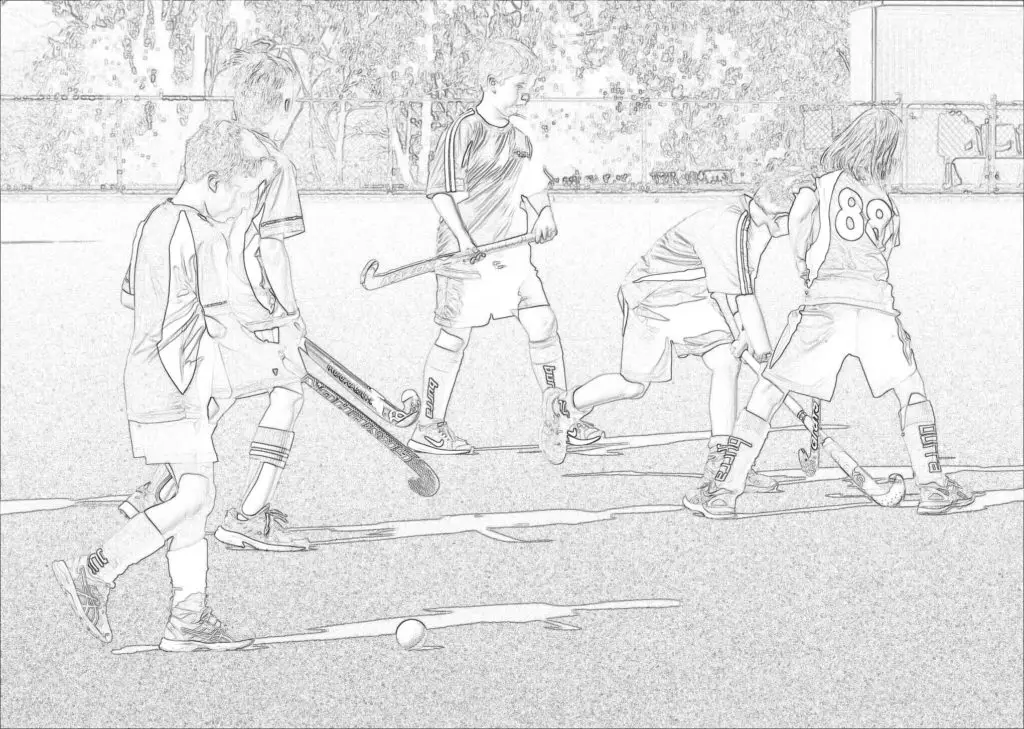
What junior to senior hockey should feel like
The aim is not simply to place a junior in a senior game. A good junior to senior hockey transition helps the player understand where they fit, what is expected and whether senior hockey is an opportunity they want to keep exploring.
- The player should know why the senior opportunity is being offered and what their role is.
- The level of challenge should suit the player’s current development and safety.
- The player should feel able to ask questions, make mistakes and seek feedback.
- Junior friendships and trusted club relationships should remain available while senior connections grow.
- The player and family should be able to discuss workload, transport, school, representative hockey and other commitments.
- Trying senior hockey does not guarantee continuing selection, and deciding to wait does not close the pathway.
Timing and readiness for senior hockey
Readiness is more than age. Experience, confidence, physical preparation, game understanding, current performance, role fit and the senior environment can all matter. A player may be ready for one form of senior exposure before another.
The club should help the player and family understand the next realistic step rather than treating the transition as a single pass-or-fail moment. Training with a senior group, joining a match squad or taking part in selected games may each provide a different level of challenge.
Selection, feedback and the next step
A senior team decision reflects the current role and circumstances. It is not a permanent judgement of a player’s potential or value. Players can ask their coach or the relevant club contact for feedback about what is going well, what the current level requires and what they can work on next.
Girls moving through the junior pathway should also be able to see a clear route toward senior women’s hockey. The timing and form of that transition can vary, so families can discuss current opportunities with the club and use the same staged approach to readiness, belonging and workload.
Where to find the Greensborough hockey pathway
Use the Junior Teams Overview and Player Development pages for the broader pathway. You can also view women’s competition, men’s competition, current fees or register or ask a question.
For junior age groups, including Under 10, Under 12, Under 14, Under 16 and Under 18, the player’s age group is determined by their age as at 1 January in the year of the competition. For age-specific midweek competitions, age is determined as at 31 December in the year of the competition.
These age-group rules are separate from the club’s weekend senior-competition assessment. Juniors may play senior hockey on a case-by-case basis. A conversation with the club is the best way to understand the available pathway and the next appropriate step.