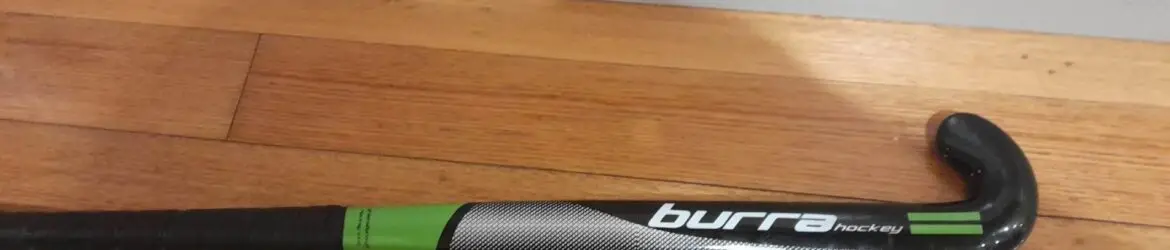
Families can support junior hockey participation in many practical and positive ways. Young players benefit when adults provide encouragement, help with routines and allow them to grow in confidence and independence. The best support suits the player’s age, needs and family circumstances.
Support junior hockey participation through encouragement
Young players benefit when effort, learning, teamwork and enjoyment are valued alongside results. Encourage your child to keep trying while skills are developing. Ask what they enjoyed, what they learned and whether they have any questions.
Try to keep match-day conversations positive. Players may need time to process a result or a challenging moment. Listening first can help them understand their experience and identify what support they want.
Help with practical details
Arriving prepared, checking messages, looking after equipment and allowing enough time for a session can reduce stress. A calm routine helps everyone focus on taking part. Families can check that players have suitable clothing, footwear, water and a mouthguard where required.
It is also helpful to know the training location, arrival time and who to contact if plans change. These small actions support regular attendance without making hockey feel like another source of pressure.
Build confidence and independence
As players become more confident, encourage them to ask questions, listen to coaches and take increasing responsibility for their participation. They might pack part of their equipment, remember a training time or speak directly with a coach about a practical question.
Independence develops gradually. Families can remain available while allowing players to make age-appropriate choices. Coaches and families can work together to support learning, enjoyment and safe participation.
Keep communication open
Questions are a normal part of junior hockey participation. Contact Greensborough Hockey Club if you need guidance about teams, equipment, sessions or pathways. Read the player development information for related guidance and visit the community resources for useful information for families.
For broader information about children’s participation in sport, visit Sport Australia. If you are unsure what support is appropriate, speak with the coach or club contact before making assumptions.
Support junior hockey participation by encouraging effort, helping with practical details and keeping the conversation open. When families, coaches and players work together, young people have a stronger opportunity to enjoy hockey and develop at their own pace.