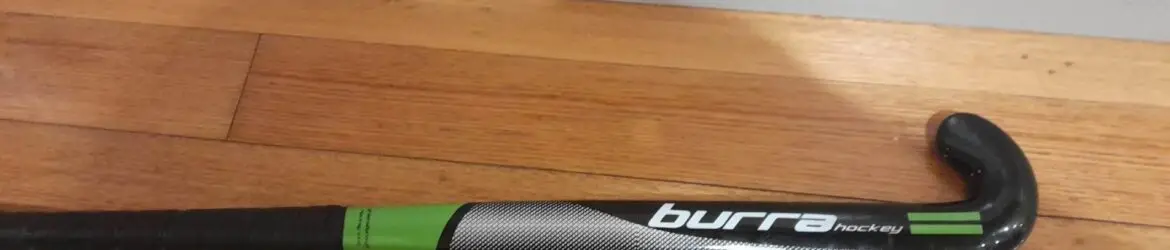
Choosing a junior hockey pathway is not only about age or previous experience. The best starting point also considers confidence, physical development, skill level, enjoyment and the type of environment in which a child is most likely to learn.
Start with the child, not a label
Two children of the same age may have very different experiences of sport. One may be ready for a new challenge, while another may need more time to build confidence and basic skills.
A useful conversation considers what the child enjoys, what they find difficult, how often they want to participate and what level of challenge feels manageable.
Look at readiness in several ways
Coaches may consider ball control, movement, awareness, willingness to listen, physical readiness, confidence and how a player responds to teammates and instructions.
No single skill should decide the whole picture. Readiness can change as a child gains experience, grows physically and becomes more comfortable in a team environment.
The right challenge supports development
A player should have opportunities to learn without feeling overwhelmed. Too little challenge can reduce interest, while too much pressure can make a child doubt whether they belong.
The aim is to find a level where the player can contribute, make mistakes safely and continue developing useful skills.
Progress does not have to be linear
Children may move between groups, take on new responsibilities or need a different level of support at different times. A change in pathway is not a failure. It is part of responding to the player’s needs.
Talk with the club
Families do not need to decide the right pathway alone. Speak with the club and share your child’s experience, interests, confidence and availability. Coaches and club representatives can help identify a suitable next step.