What the 10,000 steps a day target means
The 10,000 steps a day target is a simple way to think about daily movement, but it is not a universal scientific requirement. The number became popular after a Japanese marketing campaign linked to the 1964 Tokyo Olympics.
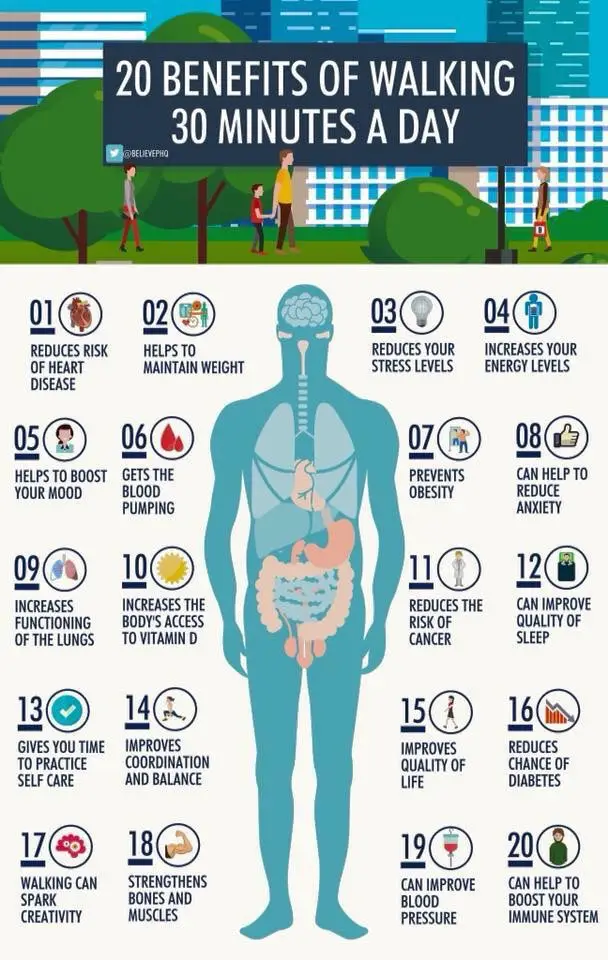
Regular movement can support general health and wellbeing. Brisk walking, cycling, swimming and active sport can all help people move more during the day.
Why daily activity matters
Use 10,000 steps a day as a practical prompt to break up long periods of sitting. Small changes can make an active routine easier to maintain.
For general information about physical activity, visit healthdirect. If you have a health condition, seek advice from a qualified health professional.
Build a realistic walking routine
Start with a goal that feels achievable, then increase it gradually. You might track time, distance or steps, depending on what motivates you.
If your usual day includes little walking, begin with a short route you can repeat comfortably. You could walk to a local shop, take a break outdoors, or invite a friend. The useful goal is one you can return to regularly.
At Greensborough Hockey Club, playing hockey is another enjoyable way to stay active. Explore our ways to start playing hockey.
Regular movement is easier to sustain when it fits comfortably into everyday life. Treat 10,000 steps a day as a flexible prompt rather than a pass-or-fail rule.
Regular moderate exercise matters more than reaching one fixed number. Brisk walking can raise your heart rate, and any activity is better than none.
A step counter is optional. Some people find minutes of movement or the number of walks more useful to track. Review how your routine feels and adjust it around work, family, sport and rest. You do not need to treat one number as a daily test.
Choose a realistic daily activity goal that fits your health, fitness and circumstances. The 10,000 steps a day target can be adjusted to suit your routine.